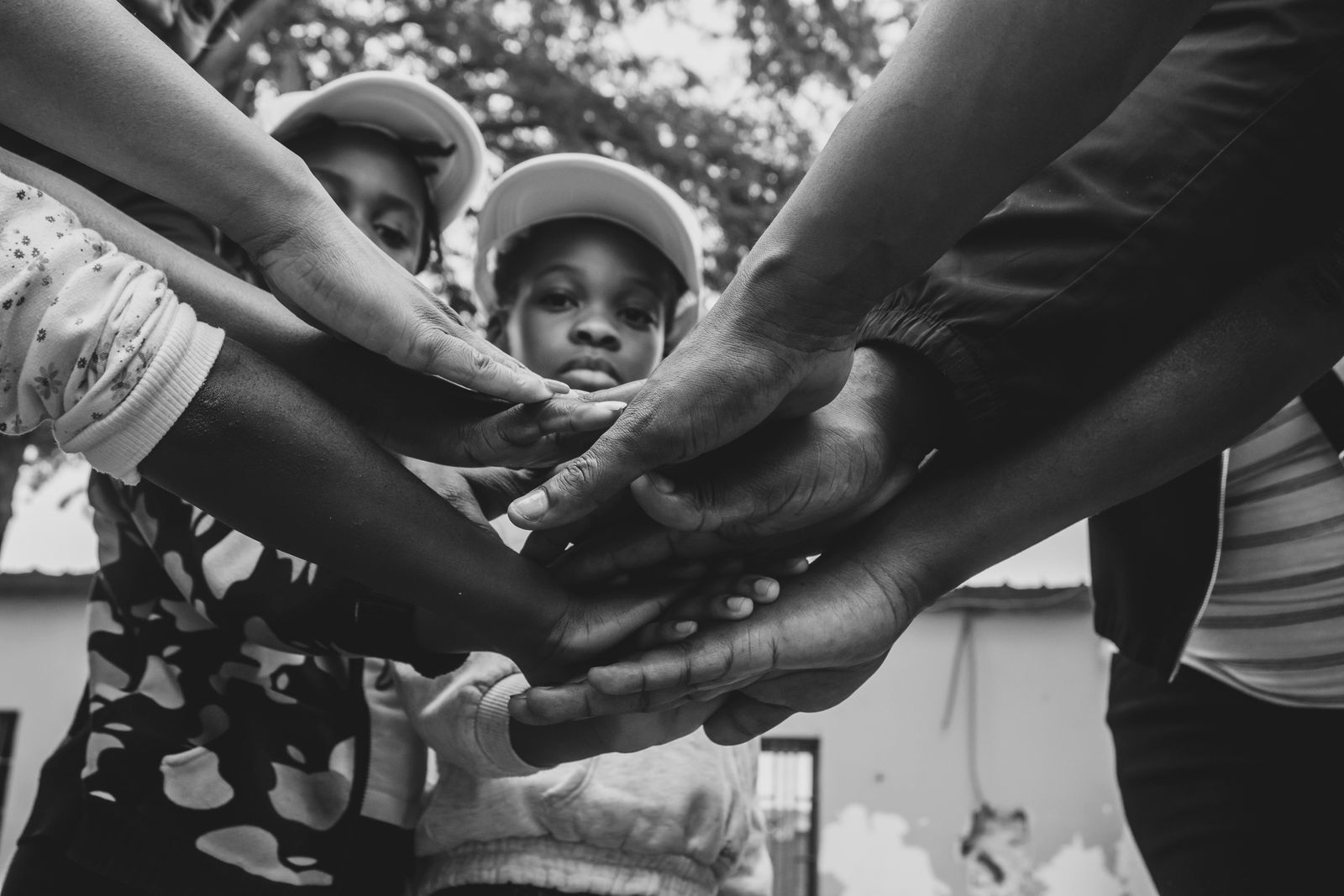


When a young person is struggling, the first thing they usually need is not advice. It is the relief of hearing someone say, that happened to me too. Peer support groups work because they create that moment on purpose, in a room where nobody has to pretend.
Our groups are small, deliberately so. Eight to twelve young people meet weekly with a trained facilitator who keeps the space safe rather than leading from the front. The rules are simple: what is shared here stays here, nobody is forced to speak, and no one is judged for what they bring.
The change is rarely instant. In the first weeks people test the room. By the second month, members are checking in on each other between sessions, walking home together, sharing job leads and reminding one another about clinic appointments. That informal network often matters as much as the meeting itself.
Peer support is not a replacement for professional care, and we are clear about that. Facilitators are trained to recognise when someone needs a counsellor or a clinic and to make the referral quickly. What the group does is catch people early, reduce isolation and make asking for help feel ordinary.
If you would like to join a group or help us start one in your area, get in touch with the Kibra Youth Network team. All you need to bring is yourself.